
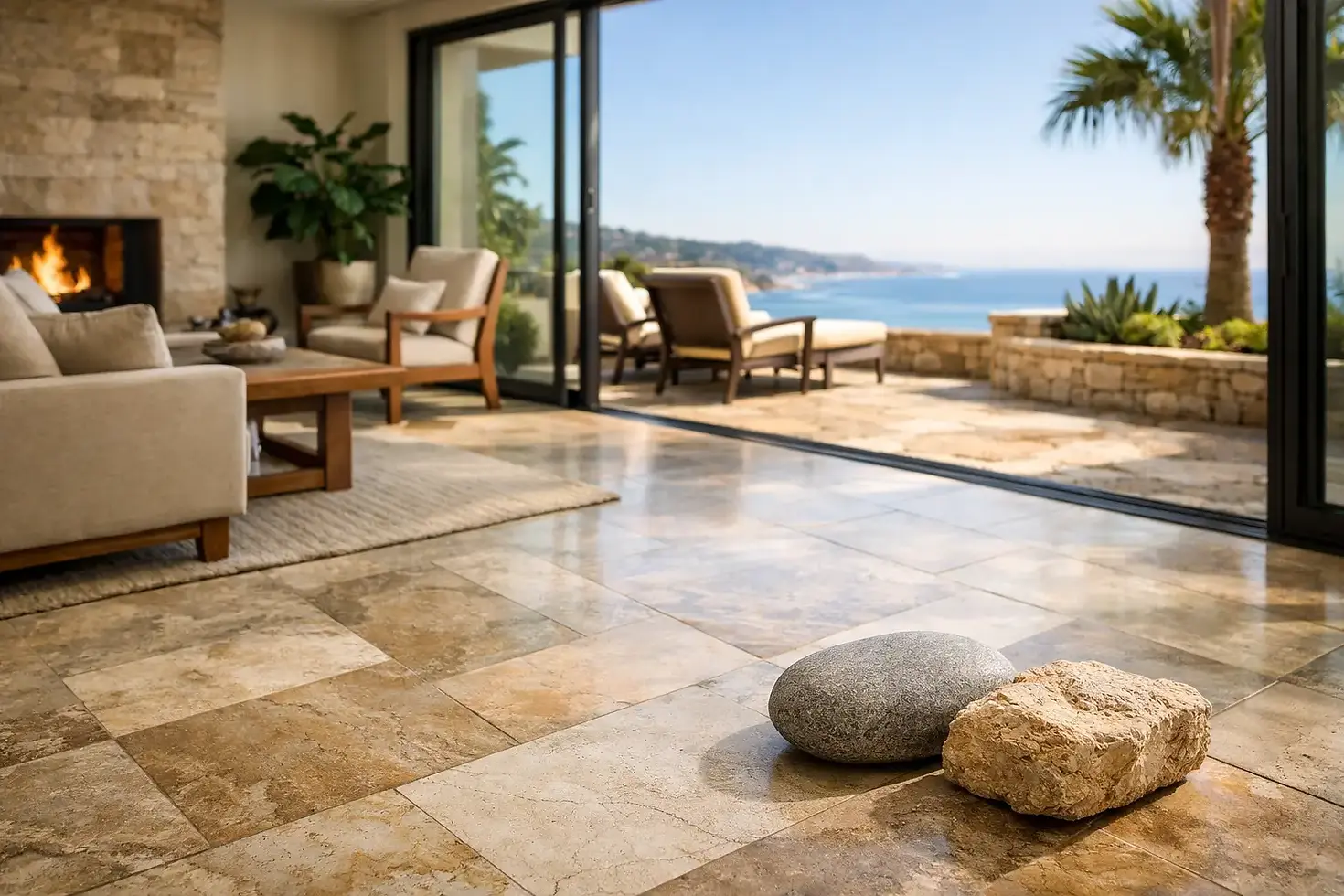
Stone Flooring for California Homes and Businesses
A stone floor can look exceptional for decades, but only when the material fits the room and the installation is built on a sound foundation. Stone flooring is not a surface to choose by color alone. Its performance depends on the stone itself, the condition of the subfloor, moisture control, layout planning, grout selection, and the quality of the work underneath it.
For homeowners, builders, and commercial property owners, the appeal is clear: natural stone brings character that manufactured materials cannot fully duplicate. Every piece has variation in veining, texture, and tone. The trade-off is that stone requires more planning than standard tile, especially in spaces exposed to water, direct sun, temperature changes, or heavy foot traffic.
Choosing Stone Flooring That Fits the Space
Natural stone is not one category with one set of rules. A material that performs well in a formal entry may not be the right choice for a busy restaurant, a second-floor bathroom, or an uncovered patio. The first decision should be based on how the area will be used, not just the look you want to achieve.
Marble offers a refined appearance with distinctive veining, making it a popular choice for entries, bathrooms, and statement spaces. It is softer than granite and can etch when exposed to acidic products, so it needs realistic maintenance expectations. A honed marble finish can be more forgiving than a polished finish in active areas.
Travertine has warm, natural movement and works well in many California homes, particularly in living areas and outdoor spaces when the right finish is selected. Because it has natural voids, it is commonly filled and finished for interior use. Outdoor travertine often uses a textured finish that provides better traction.
Granite is dense, hard, and well suited to areas where durability is a priority. Its resistance to scratching makes it a practical consideration for busy homes and certain commercial applications. Slate provides more texture and a more rustic appearance, but its cleft surface and natural variation require careful evaluation for cleanability, thickness, and installation layout.
Limestone can create a softer, understated look, but it is generally more porous and less resistant to staining than denser stones. It can be an excellent material in the right interior setting with proper sealing and maintenance. The right answer is rarely the most expensive stone or the trendiest one. It is the stone that matches the location, traffic level, maintenance plan, and overall project design.
Finish Matters as Much as the Stone Type
Polished stone reflects light and gives a more formal appearance, but it may be too slippery for wet locations or exterior areas. Honed stone has a smooth, matte finish that works well in many residential interiors. Tumbled, brushed, and textured finishes add traction and visual softness, making them useful for patios, pool-adjacent spaces, and entries where wet shoes are common.
For bathrooms, shower areas, and exterior installations, traction should be discussed before a material is ordered. A beautiful floor that becomes slick when wet is not a successful finish. Smaller-format stone can also improve grip because additional grout joints break up the surface.
What a Professional Stone Flooring Installation Requires
Stone is less forgiving than many ceramic or porcelain products. It can crack if the substrate moves, if deflection is excessive, or if the floor is not prepared properly. Large-format stone makes these conditions even more visible because lippage, uneven edges between tiles, and layout inconsistencies stand out under natural light.
A professional installation starts with the existing structure. On a wood-framed floor, the installer needs to evaluate whether the framing and subfloor can support the stone and limit movement. Stone typically has stricter deflection requirements than ceramic tile. If the floor system does not meet those requirements, installing stone without corrective work creates a risk that no sealer or premium grout can solve later.
Concrete slabs need their own evaluation. Cracks, moisture conditions, surface contamination, old adhesives, and uneven areas all affect the installation. Some cracks may require an appropriate crack-isolation approach. Uneven slabs may need leveling or patching before tile is set. The correct prep depends on the condition of the slab and the stone being installed, not a one-size-fits-all product choice.
Layout should be planned before setting begins. This includes establishing the main visual line, checking room dimensions, determining where cuts will land, and deciding how the stone should transition to adjacent flooring. In a hallway or entry, a centered layout may be the priority. In an open-concept room, aligning stone with cabinetry, a fireplace, or large windows can create a cleaner result.
Natural variation must also be managed during layout. Stone should be inspected and blended from multiple boxes or pallets so clusters of dark, light, heavily veined, or differently textured pieces do not end up in one area. This is one of the details that separates an intentional stone floor from an installation that looks random for the wrong reasons.
Grout, Movement Joints, and Transitions Are Part of the System
Grout color changes the finished look more than many property owners expect. A closely matched grout can make the field look quieter and more continuous. A contrasting grout makes each piece stand out and can emphasize a pattern. Joint width must account for the stone's sizing and edge profile, especially with tumbled or irregular materials.
Movement joints are not optional details. Floors expand and contract with temperature, moisture, and building movement. Perimeter gaps, transitions, and properly placed movement joints help reduce stress on the installation. In larger rooms, sun-exposed spaces, and exterior areas, these details become even more important.
Transitions should be planned for both appearance and function. A stone floor may sit higher than adjoining wood, carpet, or vinyl flooring, particularly when substrate preparation is needed. Addressing those height changes early avoids awkward reducers, door clearance issues, and last-minute compromises.
Stone Flooring in Bathrooms, Kitchens, and Outdoor Areas
Bathrooms demand more than a good-looking floor. Water management matters. A bathroom floor installation should work with the room's waterproofing plan, particularly around showers, tubs, and wet-room areas. In a shower, the floor slope, drain detail, waterproofing system, and tile size must work together. Large stone pieces may not conform well to a sloped shower floor, while mosaics or smaller cuts can follow the slope more effectively.
Kitchens benefit from durable stone, but maintenance should guide the selection. Spills, dropped cookware, pet traffic, and frequent cleaning are normal conditions. Dense stones and honed finishes are often easier to live with than highly polished, softer materials. A properly selected sealer can help reduce absorption, but it does not make porous stone maintenance-free.
For patios and outdoor living spaces, California's regional conditions matter. Heat, direct sunlight, seasonal moisture, and substrate movement can all affect material performance. The stone must be appropriate for exterior exposure, and the installation needs proper drainage and slope so water moves away from the structure. Smooth interior stone is not automatically suitable outside.
Commercial stone flooring should be selected with traffic, cleaning procedures, and public safety in mind. A lobby, retail space, office entry, or hospitality setting may require a material and finish that can handle repeated foot traffic without becoming difficult to maintain. Durability is important, but so are slip resistance, replaceability, and a layout that supports long-term repairs if needed.
Care That Protects the Investment
Stone flooring lasts best with simple, consistent care. Sweep or vacuum grit regularly because sand and debris can act like abrasives. Use cleaners made for natural stone or pH-neutral products, especially on marble, limestone, and travertine. Acidic or harsh cleaners can dull finishes, damage grout, or etch sensitive stone.
Sealing is often recommended, but its purpose should be understood. A sealer helps slow absorption and gives you more time to clean up spills. It does not create an impenetrable layer, prevent all staining, or eliminate the need for routine care. The resealing schedule depends on the stone, finish, location, and type of sealer used.
Before committing to a material, ask to see samples in the actual space. Look at them in morning light, afternoon light, and artificial light. Check how the finish feels underfoot and how it looks next to cabinets, walls, and adjacent flooring. Good stone work begins with those practical decisions, then relies on precise preparation and installation to carry the result for years.


Comments