

How to Choose a Merced Bathroom Remodeler
A bathroom can look finished on day one and still fail behind the walls months later. Loose tile, cracked grout, soft flooring, and water damage usually point to problems with preparation or waterproofing, not just the visible finish. Choosing the right Merced bathroom remodeler means looking beyond a style portfolio and asking who will manage the work that protects your home long after the project is complete.
A bathroom remodel is a coordinated construction project. Tile, plumbing, electrical work, ventilation, layout, demolition, substrate preparation, and waterproofing all affect the final result. The contractor you hire should have a clear plan for how those parts come together, especially when the project includes a custom shower or major layout changes.
What a Merced Bathroom Remodeler Should Handle
Some bathroom projects are straightforward cosmetic upgrades. Replacing a vanity, installing a new floor, or updating a backsplash may not require extensive reconstruction. A full bathroom remodel is different. Once walls or shower surfaces are opened, hidden conditions can change the scope quickly.
A qualified remodeler should be prepared to assess the existing space, remove old finishes carefully, correct damaged or uneven surfaces, and coordinate the work needed before tile installation begins. That includes confirming whether framing is sound, whether the floor is suitable for the selected material, and whether shower walls and pans will receive a complete waterproofing system.
The goal is not to add unnecessary work. It is to avoid building a beautiful new bathroom over weak, wet, or improperly prepared surfaces. Skipping prep can make an estimate look lower at first, but the repair cost later is often much higher.
Tile skill is not just about appearance
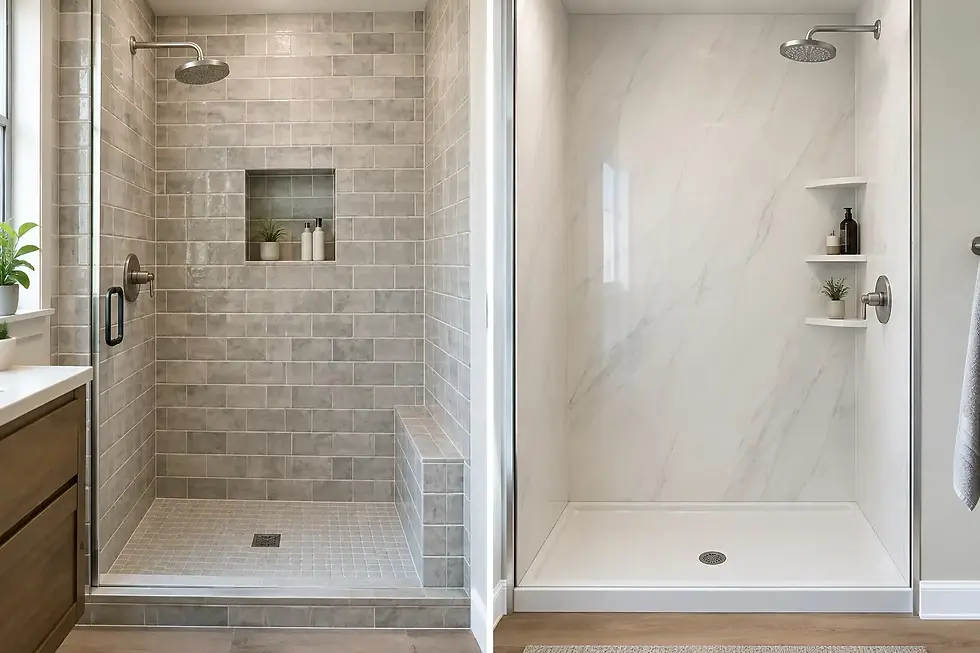
Tile work is one of the most visible parts of a bathroom remodel, but it is also one of the most technical. Proper layout determines where cuts land, how grout lines align, and whether a room feels balanced when you walk in. In a shower, tile installation also depends on flat wall surfaces, correctly sloped floors, proper drain detailing, and compatible setting materials.
Ask how the contractor plans tile layouts before installation starts. This matters with large-format tile, patterned tile, natural stone, mosaics, niches, benches, and curbless shower entries. These features can look excellent, but they demand more planning than a basic wall tile installation.
Natural stone deserves special consideration. It may need sealing and regular maintenance depending on the material and location. Porcelain often offers a lower-maintenance option with strong water resistance and a wide range of finishes. The best choice depends on your budget, cleaning preferences, and how the bathroom is used.
Waterproofing Is the Work You Cannot See
A shower is not waterproof because it has tile and grout. Tile and grout are finish materials. Water can move through grout joints, around fixtures, and through small openings if the assembly behind the tile is not properly protected.
A dependable bathroom contractor should explain the waterproofing approach in plain terms. This includes the shower pan, wall system, corners, seams, niches, bench areas, and transitions around plumbing fixtures. The installation should be built as a complete system, not as a collection of unrelated products.
This is especially important in older Merced homes, where previous repairs or remodeling work may have left uneven framing, outdated materials, or concealed moisture damage. A professional inspection during demolition may reveal conditions that were impossible to see during the first walk-through. That does not always mean the project is being expanded without reason. It means the contractor should document the issue, explain the repair needed, and discuss cost and schedule effects before moving forward.
Ventilation is part of moisture control as well. A properly sized, correctly vented exhaust fan helps reduce humidity that can affect paint, drywall, cabinetry, and grout over time. If the bathroom has recurring mildew or peeling paint, ventilation should be evaluated along with the shower itself.
Ask Better Questions Before You Sign
The estimate is more useful when it clearly describes what is included and what is not. A vague proposal can lead to disagreements when demolition begins or material selections change. You do not need a complicated construction document for every project, but you should understand the scope before work starts.
When comparing contractors, ask about these practical details:
Is the contractor licensed, bonded, and insured for the work being performed?
Who will perform demolition, prep, waterproofing, tile installation, and final cleanup?
What materials and installation system are included in the shower?
How are change orders handled if hidden damage or owner-requested changes arise?
What is the expected project sequence, and when will key decisions need to be made?
Credentials matter because a bathroom remodel can involve more than finish work. Licensed and insured contractors provide an important level of accountability, particularly when a project includes structural changes, plumbing coordination, electrical upgrades, or permit requirements.
It is also reasonable to ask for examples of similar work. Look for consistent grout joints, clean transitions, properly placed niches, balanced tile layouts, and details that suit the size of the room. A portfolio should show more than attractive close-up photos. It should demonstrate the ability to complete full bathrooms with careful execution.
Plan the Bathroom Around Daily Use
A successful remodel should improve how the room works, not simply replace old finishes. Before selecting tile, think through the people who use the space and the problems you want to solve. A hall bathroom serving children may need durable materials and easy-clean surfaces. A primary bathroom may benefit from a larger shower, built-in storage, improved lighting, or a more accessible entry.
Storage is often overlooked until the room is nearly complete. Consider where towels, toiletries, cleaning products, and extra paper goods will go. Recessed niches can add useful shower storage, but they must be planned around wall framing and waterproofed correctly. A wider vanity or linen cabinet may improve daily function, but it can affect door clearance and circulation.
Lighting deserves the same level of planning. Bright, even task lighting at the vanity is useful for shaving, makeup, and general daily routines. Shower lighting and a dimmable ceiling fixture can make the space more comfortable without turning it into an overbuilt project. Electrical work should be coordinated before walls are closed.
Accessibility is another area where early planning pays off. A low-threshold shower, wider entry, secure grab-bar blocking behind walls, and slip-resistant floor tile can make a bathroom easier to use for years. Not every bathroom needs every feature, but adding structural backing during a remodel is far easier than reopening finished walls later.
Balance Budget, Materials, and Long-Term Value
The lowest bid is not always the lowest cost. An estimate may be lower because it excludes waterproofing details, preparation, disposal, protection of adjacent areas, or necessary repairs. On the other hand, the most expensive proposal is not automatically the best fit if it includes upgrades you do not need.
A good contractor helps you separate essential construction work from optional finish upgrades. Waterproofing, sound substrate preparation, quality setting materials, and professional installation are core investments. Decorative tile, custom glass, heated flooring, premium fixtures, and natural stone can add value and comfort, but they should be selected with a clear understanding of their cost and maintenance requirements.
Material lead times can also affect the schedule. Specialty tile, custom shower glass, vanities, and certain fixtures may take longer to arrive than expected. Finalizing these selections early helps prevent a completed room from sitting unfinished while one critical item is delayed.
For property owners managing rentals or commercial spaces, durability and serviceability may take priority over highly customized finishes. Porcelain tile, simple layouts, readily available replacement materials, and reliable waterproofing can provide a strong return without creating unnecessary maintenance challenges.
Choose Clear Communication and Proven Workmanship
The right remodeler should not make you guess what happens next. You should know who to contact, when work will be performed, how the home will be protected, and how changes will be approved. Remodeling can be disruptive, particularly when the bathroom is the only one in the home, but clear scheduling and clean jobsite practices reduce avoidable stress.
Empire Tile & Stone approaches bathroom remodeling with the same priorities that matter in any tile project: accurate preparation, proper waterproofing, precise installation, and work that holds up under daily use. With more than 20 years of experience, licensed, bonded, and insured service, the focus stays on doing the work correctly rather than rushing through the details.
Before committing to a bathroom design, take the time to review the construction plan behind it. The right materials are only as dependable as the preparation underneath them, and a well-built bathroom gives you confidence every time you turn on the shower.


Comments