
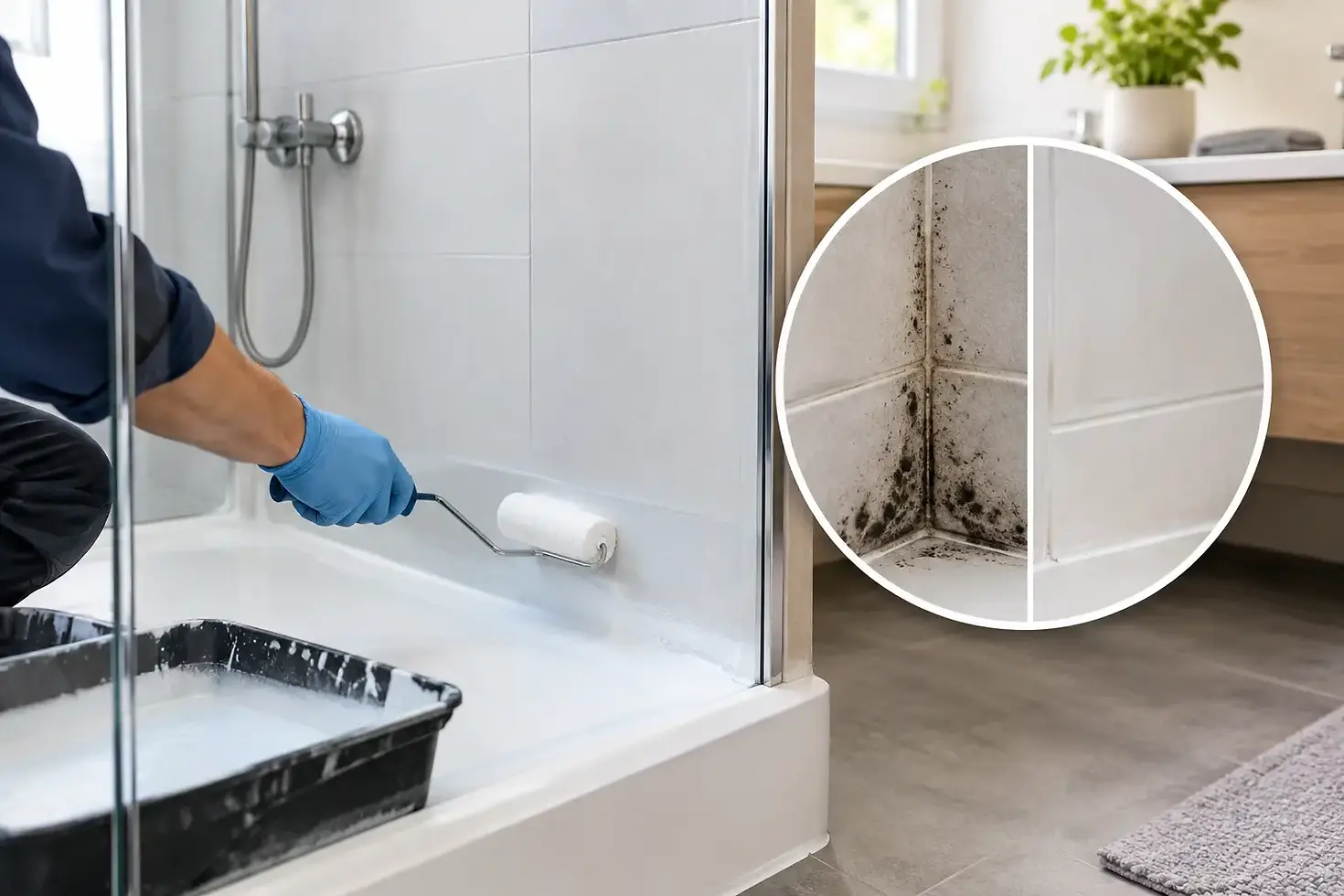
Does Waterproofing Prevent Mold Growth in Bathrooms?
A shower can look finished and still have a moisture problem hiding behind the tile. Grout discoloration, a musty smell, loose tile, or swelling at a nearby baseboard may point to water getting where it should not. So, does waterproofing prevent mold growth? Proper waterproofing can greatly reduce the conditions mold needs to grow, but it is not a stand-alone cure for every mold issue.
Mold needs moisture, a food source, and time. In a bathroom, moisture is usually the factor a well-built tile system can control. The goal is not to make the room impossible to get wet. It is to manage water at the surface and direct it away from walls, framing, and subfloors where damage can begin.
How Waterproofing Helps Prevent Mold Growth
Tile, stone, and grout are finish materials. They are not the waterproof layer of a shower. Even high-quality grout has pores, and cement-based grout can absorb moisture. Caulked joints also need maintenance over time. If water reaches the area behind the tile, the waterproofing system is what should stop it from entering the wall cavity or floor structure.
A professionally installed waterproofing membrane creates a continuous barrier behind the tile or directly beneath it, depending on the system. In a shower, that barrier must tie together the walls, corners, curb, niches, bench, pan, and drain connection. A small gap at any of those transitions can allow repeated moisture exposure in the assembly.
By keeping water out of drywall, wood framing, insulation, and subflooring, waterproofing removes much of the persistent dampness mold needs. It also protects materials that can support mold growth. Mold does not grow on tile itself as easily as it grows on dust, soap residue, paper-faced drywall, wood, or other organic material holding moisture behind the finished surface.
Waterproofing Is Not the Same as Surface Cleaning
A waterproof shower can still develop surface mildew. Black or pink residue around silicone, in grout lines, or near a shower door is often caused by soap film, body oils, humidity, and poor air circulation. This type of growth may be visible and easier to clean, but it should not be ignored.
Waterproofing protects the building assembly. Cleaning and ventilation manage the bathroom environment. Both matter. A shower that stays wet for hours after use, especially in a bathroom with a weak exhaust fan, can develop surface mold even when the wall system behind the tile is properly protected.
For daily maintenance, use the exhaust fan during showers and leave it running afterward. Squeegee glass and tile when practical, keep shower doors or curtains open long enough for surfaces to dry, and repair failing caulk promptly. These small habits reduce the moisture load that waterproofing alone cannot address.
Where Waterproofing Matters Most
Not every tiled area has the same exposure to water. A kitchen backsplash needs sound prep and appropriate materials, but it does not face the same level of continuous moisture as a shower. Bathrooms, steam-prone areas, and exterior tile installations require more careful moisture planning.
In a shower, waterproofing should extend through the full wet area, not just the lower wall. Shower niches, benches, half walls, curbs, plumbing penetrations, and wall-to-floor corners deserve particular attention because they combine seams, fasteners, and changes in plane. These are common failure points when installation is rushed or materials are not installed as a complete system.
Shower pans are equally critical. The floor must be properly sloped toward the drain so water does not sit beneath the tile. A flat area, a poorly tied-in drain, or an incorrectly built curb can cause water to collect and migrate into surrounding materials. No amount of premium tile can correct a failed shower pan below it.
Why Tile and Grout Cannot Do the Job Alone
One of the most expensive assumptions in bathroom remodeling is that tile and grout make a shower waterproof. They do not. Grout fills joints and supports the finished appearance of the installation. Sealers can help reduce staining and make some surfaces easier to maintain, but they are not a substitute for a waterproof membrane.
This distinction matters when selecting materials and evaluating bids. A lower price may leave out critical prep work that is hidden once tile is installed. Homeowners may see the same tile sample, layout, and finished color on day one, but the difference in performance often comes from the work behind the walls.
A qualified tile contractor should be able to explain the waterproofing approach before installation begins. That includes the type of membrane, how seams and corners will be treated, how the drain will connect, and whether the shower will be flood tested before tile is set. A flood test helps confirm that the pan contains water before expensive finish materials cover the system.
When Mold May Still Be a Problem
Waterproofing does not fix an active plumbing leak, a roof leak, a broken pipe in the wall, or condensation caused by inadequate ventilation. It also does not remove mold already growing inside a damaged wall or subfloor. If materials have remained wet long enough to deteriorate, the affected areas may need to be opened, dried, cleaned, and replaced before remodeling begins.
Be cautious about simply tiling over suspected damage. Covering stained drywall, soft flooring, or a musty shower enclosure can trap the underlying problem and make future repairs more difficult. The right scope depends on what is found during demolition and preparation.
In some cases, small surface mildew can be cleaned and monitored. In other cases, signs such as recurring odor, soft walls, cracked tile, loose baseboards, water stains below a bathroom, or visible mold beyond the shower require a closer inspection. The source of moisture must be corrected first. Then the damaged materials and waterproofing system can be addressed properly.
What a Reliable Waterproofing Installation Looks Like
A dependable waterproofing job starts with a stable, properly prepared substrate. Walls must be suitable for tile, floors must be sound, and framing should be corrected before the membrane is installed. Tile installation cannot compensate for movement, rot, or an out-of-plumb wall.
The waterproofing material must be installed according to its manufacturer requirements, especially at overlaps, corners, fasteners, and penetrations. Mixing unrelated products without a clear approved method can create weak points or warranty issues. Professional installers use compatible components and pay attention to details that will be hidden later.
The system also needs proper drainage. Water should move toward the drain, not pool under the tile. In a custom shower, that means accurate slope, a correctly installed drain assembly, and careful treatment of the curb and lower wall areas. Before tile work begins, testing the shower pan is a practical quality-control step.
For homeowners and property managers in the Central Valley and Bay Area, this level of preparation is especially valuable in remodels where older bathrooms may have hidden water damage. Empire Tile & Stone approaches waterproofing as part of the complete tile assembly, not as an add-on after the walls are already closed.
The Bottom Line for Bathroom Remodels
Does waterproofing prevent mold growth completely? No building system can guarantee that a bathroom will never have surface mildew or a separate plumbing problem. Proper waterproofing does, however, prevent routine shower water from reaching the vulnerable materials where hidden mold, rot, and costly structural repairs often begin.
If you are planning a shower remodel, focus as closely on what goes behind the tile as the tile you choose. A well-built waterproofing system, correct drainage, reliable ventilation, and regular maintenance give your bathroom the best chance to stay clean, dry, and durable for years.


Comments