

How Much Does It Cost to Redo a Shower?
- Luis Nava
- Jul 9
- 6 min read
A shower remodel can look simple from the outside - new tile, new glass, new fixtures - but the real cost is usually decided by what is behind the surface. If you are asking how much does it cost to redo a shower in a bathroom, the honest answer is that a basic refresh and a full rebuild are priced very differently.
For most homeowners, redoing a shower falls somewhere between a few thousand dollars and well into five figures. That spread is not sales talk. It comes down to demolition, waterproofing, plumbing changes, tile selection, shower size, and whether the job is cosmetic or structural. If the goal is a shower that looks good and holds up, the details matter.
How much does it cost to redo a shower in a bathroom?
A straightforward shower remodel typically starts around $4,000 to $7,000 for simpler materials, limited layout changes, and standard-size conditions. A mid-range shower redo often lands around $7,000 to $12,000 when you include quality tile, a proper waterproofing system, updated fixtures, and cleaner finish work. Higher-end projects can run $12,000 to $20,000 or more, especially when custom glass, natural stone, recessed niches, bench seating, premium drains, and plumbing relocation are involved.
That range gets wider in markets where labor, permitting, and finish expectations are higher. In parts of California, for example, homeowners often want more custom tile work and better waterproofing systems, which pushes projects toward the middle or upper end of the range.
The best way to think about price is not just total cost, but scope. A shower surround replacement is one number. A full tear-out to studs with plumbing updates is another.
What drives shower remodel cost the most?
The largest cost factor is usually labor. Tile and stone work are finish trades, but a quality shower also depends on proper prep, substrate correction, waterproofing, slope, and clean installation. If any of that is off, the surface may still look fine at first, but the shower can fail early.
Demolition and prep
Removing old tile, mud bed, backer, shower pan, glass, and damaged wall materials adds time quickly. If the existing shower has water damage, mold issues, or framing problems, that repair work becomes part of the project whether you planned for it or not. Prep is not the glamorous part of a remodel, but it is where a lot of the value is built.
Waterproofing
This is one area where cheaper usually becomes more expensive later. A properly waterproofed shower includes the right membrane system, sealed penetrations, correct drain integration, and slope that moves water where it should go. Skipping quality waterproofing to save money is a short-term decision with long-term consequences.
Tile and material selection
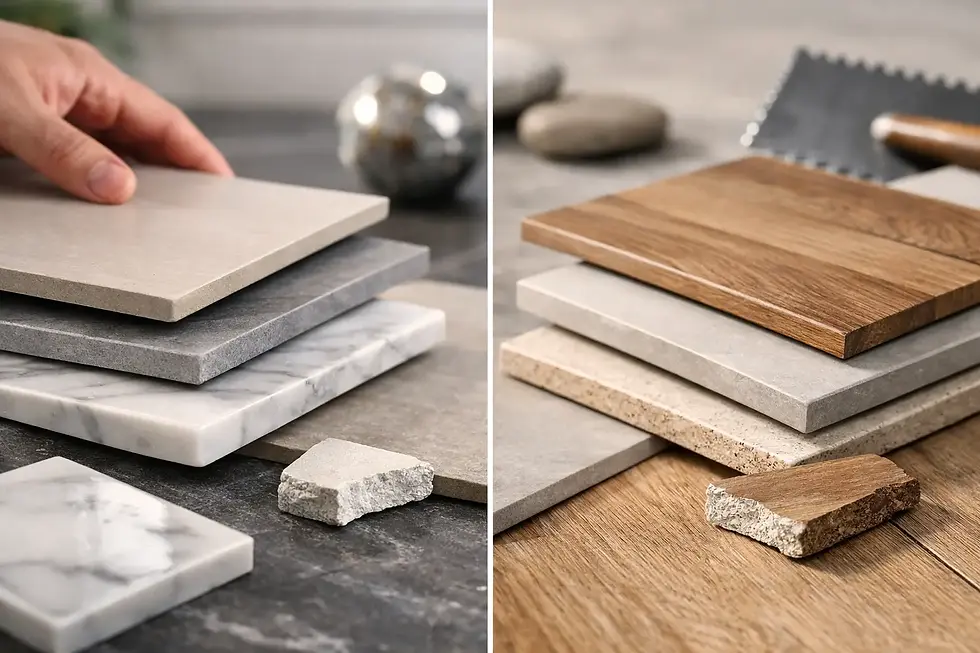
Material price can swing a project fast. Standard ceramic and porcelain are generally the most budget-friendly. Large-format tile may reduce grout lines, but it can require more substrate correction and precision. Glass tile, handmade tile, and natural stone often raise both material and labor cost because they demand more careful installation.
Even small design choices affect labor. A simple stacked layout is faster than herringbone. A single niche is less involved than multiple recessed features with trim details. Mosaic shower floors take more time than larger floor tile. Custom does not just cost more because of the product. It costs more because it takes more skilled work to install correctly.
Plumbing changes
Keeping the shower valve, drain, and showerhead in the same location usually saves money. Once you move plumbing, cost goes up. If you are converting a tub to a walk-in shower, adding a rain head, body sprays, or a handheld on a slide bar, expect more labor and more coordination.
Glass and enclosure style
A framed standard enclosure is typically less expensive than custom frameless glass. Frameless glass looks clean and modern, but it is a premium item and often needs more precise wall conditions and measurements. If the shower opening is oversized or out of square, custom glass pricing can increase further.
Typical cost by project level
A budget-conscious shower redo often focuses on function first. That may include demolition, new waterproofing, standard tile, a prefabricated or simple tiled pan, and replacement fixtures without layout changes. This is where many jobs stay near the lower end of the range.
A mid-range project usually adds design upgrades and better finish options. Homeowners at this level often choose porcelain tile with more style, a custom niche, upgraded fixtures, improved lighting coordination, and a more polished enclosure. This is a common sweet spot because it balances appearance, durability, and resale value.
A high-end shower remodel is usually custom from top to bottom. It may include full-height tile, linear drains, curbless entry, floating benches, natural stone, oversized format tile, integrated shelving, premium valves, and frameless glass. These projects can look exceptional, but they also require experienced planning and execution.
The difference between a shower refresh and a true rebuild
This is where many estimates get misunderstood. Replacing a showerhead, regrouting some tile, swapping a door, or resealing surfaces is maintenance or light updating. It is not the same as redoing the shower.
A true shower rebuild usually means removing the existing assembly and rebuilding the system correctly from the structure outward. That includes substrate, waterproofing, pan construction, tile installation, and finish work. If the old shower has leaks, cracked pans, loose tile, or signs of water intrusion, a surface-level fix may only delay the real repair.
If you want a reliable number, make sure the estimate clearly states what is being removed, what is being rebuilt, what waterproofing system is being used, and whether plumbing work is included.
Where to spend and where to keep it simple
If the budget is tight, spend on the parts you cannot see once the job is done. Waterproofing, prep, drain work, substrate correction, and skilled installation matter more than chasing expensive finishes. A well-built shower with clean porcelain tile will outperform a flashy shower built on weak prep.
You can often save money by keeping the existing footprint, choosing a readily available tile size, limiting custom patterns, and selecting fixtures that are durable but not luxury-tier. Those choices help control labor and lead times without sacrificing quality.
Where homeowners tend to regret cutting corners is in the pan, waterproofing, and tile labor. Those are the areas that protect the rest of the bathroom. If they fail, repair costs can extend well beyond the shower itself.
Cost questions to ask before you hire
Ask whether the price includes demolition and disposal, substrate repair, waterproofing materials, tile installation, grout, sealant, fixture installation, and final trim. Ask what happens if hidden water damage is uncovered. Ask who is handling plumbing changes and whether permits are needed.
Also ask about schedule, sequencing, and protection of the surrounding space. A professional contractor should be able to explain the process clearly, not just hand over a number.
For homeowners in areas like San Jose, Los Gatos, Saratoga, and nearby Central Valley markets, pricing can vary based on local labor conditions and the level of finish expected. That is one reason free estimates are useful when they are tied to actual site conditions rather than rough guesswork.
How to budget realistically
A smart remodel budget includes a contingency, usually around 10 to 20 percent for older bathrooms or unknown conditions. Once demolition starts, hidden issues sometimes show up. Rotten framing, outdated plumbing, and uneven walls are common examples.
It also helps to decide early what matters most. If your priority is durability, put more money into build quality. If your goal is visual impact, identify one or two finish upgrades that make the biggest difference and keep the rest simple. Trying to make every element premium usually causes the budget to break down.
When homeowners work with an experienced tile and remodeling contractor, the estimate tends to be more accurate because the scope is better defined from the start. That means fewer surprises and better control over the finished result.
A shower remodel is one of those projects where the cheapest number is rarely the best value. The real question is not only what you will pay today, but how long the shower will perform once it is in daily use. If the work is done with precision, proper waterproofing, and solid materials, you are not just paying to redo a shower - you are paying to avoid doing it twice.


Comments