

Custom Walk-In Shower and Bath Remodels
- Luis Nava
- Jul 8
- 6 min read
A bathroom usually tells you what is wrong before the rest of the house does. You see cracked grout at the shower curb, water spots where they should not be, a tub that feels dated, or a layout that wastes space every day. That is why custom walk in shower and bath remodels are not just cosmetic upgrades. Done correctly, they solve functional problems, improve daily use, and add lasting value.
The difference is in how the work is planned and built. A good-looking shower is easy to promise. A shower that is square, properly sloped, waterproofed correctly, and finished with clean tile work takes experience. The same goes for a bath remodel. Materials matter, but layout, prep, and installation quality matter just as much.
Why custom walk in shower and bath remodels are worth it
A standard bathroom package may check a box, but it rarely fits the way a home is actually used. Custom work gives you control over size, storage, accessibility, tile selection, drain placement, niche locations, bench design, and the balance between shower and tub space. That matters whether you are updating a primary bath, improving a hall bathroom, or remodeling a property for resale.
For many homeowners, the main goal is better function. A cramped fiberglass insert may be replaced with a true walk-in shower that feels open and easier to maintain. An oversized, unused tub may give way to a layout with more floor space and a larger vanity. In other homes, keeping a tub is the smart move, especially if it is the main family bathroom. There is no one right answer. The right answer depends on who uses the room, how long you plan to stay in the home, and what condition the existing bathroom is in.
Custom remodeling also gives you a chance to address the parts of the bathroom most people do not see. Waterproofing behind the tile, proper substrate preparation, drain integration, and clean transitions at corners and edges all affect how well the room performs over time. If those details are skipped, the finish can look good at first and still fail early.
Start with function before finish materials
Most people naturally start with tile colors and fixture styles. Those choices matter, but the better place to begin is with function. Ask what is not working now. Is the shower hard to enter? Does the room feel dark? Is there not enough storage? Does water escape onto the floor? Is the tub used often enough to justify the space it takes?
Once those issues are clear, the remodel can be designed around real use instead of trends. A walk-in shower may benefit from a wider opening, a low-threshold entry, a recessed niche placed where bottles are easy to reach, or a bench that actually fits the space. A bath remodel may need better lighting, more durable flooring, improved ventilation, or a vanity layout that gives two people room to move.
This step is where trade-offs come in. Large-format tile gives a clean modern look and fewer grout joints, but it can be more demanding in small or irregular spaces. Natural stone can be striking, but it may require more maintenance than porcelain. Frameless glass opens up the room visually, but it also puts more attention on how straight and precise the tile work is. Good planning means understanding these choices before installation starts.
What separates a quality shower build from a surface-level update
In custom walk in shower and bath remodels, the parts behind the tile are where quality is proven. A properly built shower needs sound framing, flat walls, correct slope to drain, waterproofing that is installed as a system, and careful detailing at penetrations, corners, niches, and transitions. If one of those areas is handled poorly, moisture problems can follow.
Tile installation itself also has to be accurate. Layout should be intentional, cuts should be clean, grout joints should stay consistent, and lines should finish where they make visual sense. On a custom shower, details such as the niche alignment, bench pitch, drain centering, and curb finish make the difference between work that looks professional and work that looks rushed.
This is one reason many property owners prefer working with a contractor who understands both remodeling and specialized tile installation. Bathroom work is not just about replacing fixtures. It is demolition, prep, waterproofing, substrate correction, finish installation, and coordination across the full scope. If the tile work is treated like an afterthought, the whole room suffers.
Choosing the right layout for your bathroom
The best layout is the one that solves the most problems without forcing the room into something it cannot support. In some bathrooms, converting a tub-shower combo into a walk-in shower opens the room and improves access right away. In others, preserving a tub and reworking the surrounding tile, storage, and finishes gives better long-term value.
Primary bathrooms often benefit from a larger shower footprint, especially when the existing tub is rarely used. Secondary bathrooms are different. If it is the only tub in the house, removing it may not be the best call for future resale or family use. That is why layout decisions should be based on the property, not just personal preference in the moment.
Homes in areas like San Jose, Los Gatos, and Saratoga also vary widely in age and bathroom size. Older homes may have compact footprints that need efficient planning more than oversized features. A custom remodel helps because it works with the room you have instead of trying to force a one-size-fits-all solution.
Material choices that hold up over time
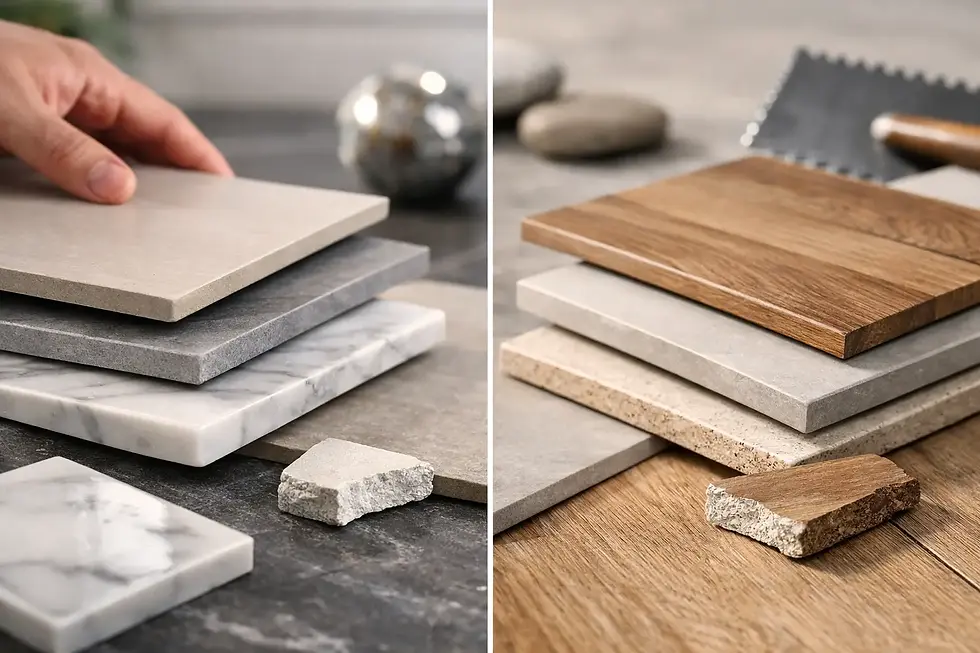
Bathrooms take constant moisture, frequent cleaning, and daily wear. Good material selection should account for all three. Porcelain tile remains one of the most reliable choices for showers and bath floors because it is durable, versatile, and available in a wide range of finishes. It can mimic stone, concrete, or wood looks while offering easier maintenance.
Natural stone has a different appeal. It can create a high-end finish that is hard to duplicate, but it requires the right installation methods and realistic expectations for care. If a homeowner wants low maintenance, porcelain is often the safer choice. If the goal is a specific natural look and the owner is prepared for upkeep, stone may be worth it.
Slip resistance is another factor people sometimes overlook. A polished surface may look sharp on a sample board and feel wrong on a wet bathroom floor. Shower floors need enough grip, and grout joint spacing should support that use. The right material is not just the one that looks best on install day. It is the one that still performs well years later.
Budget, scope, and where costs really come from
Bathroom remodeling costs can vary widely because scope varies widely. Two showers may look similar from the outside and require very different work behind the walls. Water damage, uneven framing, outdated plumbing locations, subfloor issues, and poor previous installations all affect labor and materials.
Custom work also adds decisions that influence cost in a real way. Tile size, pattern complexity, niche count, bench construction, waterproofing method, glass type, and fixture selection all change the final number. That does not mean custom automatically means excessive. It means the budget should be tied to priorities. If waterproofing, longevity, and tile craftsmanship matter most, that should be reflected in the plan from the start.
A clear estimate and realistic scope help avoid surprises. The goal is not to make a bathroom look expensive. The goal is to build it correctly, with finishes and features that make sense for the home and the people using it.
Who custom shower and bath remodels make the most sense for
These projects are a strong fit for homeowners who plan to stay and want the room done right the first time. They also make sense for property owners preparing a home for sale, especially when the bathroom shows obvious age or water-related wear. In both cases, visible improvement matters, but hidden quality matters more.
For clients who care about workmanship, a remodel should feel solid at every stage, from demolition and prep to tile setting and final detail work. That is where an experienced contractor brings value. A company like Empire Tile & Stone approaches bathroom remodeling with the kind of precision that matters in wet areas, where mistakes do not stay cosmetic for long.
The best remodel is not always the largest or the most expensive. It is the one that fits the home, solves the real issues, and is built with methods that hold up. If you are considering custom walk-in shower and bath work, start by looking past finishes and asking how you want the room to function five or ten years from now. That question usually leads to the right decisions.


Comments